 Media Helping Media is hosted by the Fojo Media Institute at Linnaeus University.
Managing Trauma and Stress
These free resources provide essential guidance for journalists and newsroom managers on navigating stress and trauma, from the front lines of newsgathering to the pressure of the newsroom production process.
Journalism, trauma and stress
Journalists frequently face trauma that affects their wellbeing and work. Explore essential support services for managing work-related stress and trauma.

Secondary trauma in the newsroom
Up to 50% of newsroom staff viewing graphic footage face secondary trauma. Discover who is most at risk and how organisations can provide essential support.
Journalism trauma: why cultural context matters
Culture and community can have a significant impact on how journalists process and cope with trauma and stress when covering news.
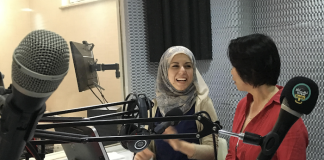
Discrimination trauma in journalism
Newsrooms committed to diversity, in terms of both staffing and coverage, must also deal with the psychological toll that discrimination takes on journalists.

Trauma and stress in exile journalism
Journalists working in exile have to cope with a complex and unique mix of trauma and stress that needs resilience and support in order to manage and overcome.

How to interview trauma survivors
Interviewing trauma survivors is a core journalism skill. Learn how to talk to someone who has endured personal loss, suffered conflict, displacement, or abuse.

Organisations offering trauma support for journalists
Check our list of the global networks and non-governmental organisations that provide resources for journalists experiencing stress and psychological trauma.

Reporting from conflict zones
When reporting from a conflict zone a journalist needs to be sensitive, understand history and cultural issues, and put people first

Managing people and setting objectives
Media managers need to set clear objectives for all staff in order to get the best out of those who work for the news organisation.
Identifying training needs for journalists
When journalists fail to file a story it can sometimes reveal skill gaps. This exercise illustrates what editors hear and which training might fix the problem.

Hiring and developing staff
Hiring the right journalists is one of the most critical decisions senior newsroom managers make. Find out how editors can choose the right candidates.

When to write under a pseudonym
There will be times when a journalist might feel the need to write under a false name. Here we look at the reasons for...
Related learning resources
Quick Guide: Trauma and stress
Covering traumatic events and experiencing stress are part of journalism, making it essential for journalists to learn how to protect their mental health.
Quick Guide: Discrimination trauma in journalism
Modern newsrooms present unique professional and psychological pressures for minority journalists, with hidden challenges around identity and language.
Quick Guide: Interviewing trauma sufferers
Interviewing trauma survivors is a core journalism skill. Here we look at preparation, technique, and ethics in conflict, displacement, and human rights work.

Workshop: Managing stress and trauma in journalism
Journalism can expose reporters to trauma. This workshop offers techniques and tools to manage stress and protect a reporter's work and wellbeing
Lesson: Journalism, trauma, and stress
This lesson plan is designed to help journalists recognise and manage trauma and stress in the course of their work.
Tool: Journalist wellbeing charter
This tool is for newsroom managers to use to protect the psychological wellbeing of staff who encounter trauma and stress.
Tool: Trauma and stress action plan for newsroom managers
A trauma and stress action plan for newsroom managers to identify psychological risks, support staff, and build resilience in high-pressure news environments.

Tool: Delivering trauma training
Discussing trauma can trigger emotional responses in participants, so it is vital to lead training sessions with a mix of professional advice and empathy.
Tool: Peer support for journalists facing trauma and stress
Covering news often leads journalists to experience trauma and stress. Peer support offers a safe space to talk to colleagues who understand.

Tool: Discrimination awareness for news managers
Minority journalists often carry unique, invisible burdens that general trauma protocols can miss. This tool helps managers recognise pressures and take action.
 Check our Facebook page for regular updates from Media Helping Media.
 The content on Media Helping Media (MHM) is released via Creative Commons BY NC SA 4.0.