 Your news editor sends you to doorstep a bereaved family, telling you to get a quote and a photo. But the family won’t open the door. What do you do?
The news of a bomb blast at an overseas army barracks sends shockwaves through a small town where five of the soldiers lived. One died.
You are a reporter working for the local newspaper. Your news editor wants you to visit the home of the family of the soldier who was killed, knock on the door, and talk to his relatives. This is called ‘doorstepping’ in newsgathering.
The news editor – driven by the need for a compelling local angle – wants a photograph of the soldier and quotes from his grieving family.
You arrive at the family home to find the curtains closed. Residents in neighbouring houses have also closed their curtains in a communal show of sympathy and respect.
As you knock on the door you hear whispering inside. You knock again, the whispering stops. All is still. It is clear the family is inside, but it is also clear that family members don’t want to answer the door.
You call the news editor to explain the situation. The response is firm: “Keep trying, we need a photograph and a quote”.
You are told to “stay there until you get something”. Although you understand the news value of persisting, you also feel uncomfortable intruding on a family in mourning.
Driven by the news editor’s instructions, you go back to the house. As you arrive a woman at the house next door stops you and pleads that you leave the family alone “they’ve suffered enough”, you are told.
You are caught in a painful ethical and professional dilemma. What do you do?
- Keep banging on the door: You don’t want to let your news editor down, and you are afraid that if you don’t get a photo and a quote another reporter would and you would be seen to have failed at your job. So you keep banging on the door.
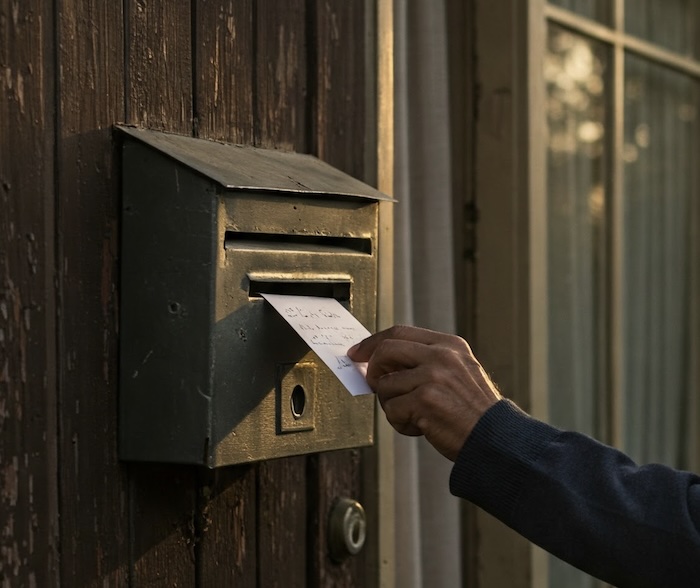
- Leave a note: You recognise the profound grief of the family and the inherent violation of their privacy, so you don’t want to intrude. You write a note of sympathy, include your name and contact details, and inform the family that you are available if they want to share any information about their son with the newspaper.
Suggested right action:
The ethically sound course of action would be:
- Communicate honestly: You should tell your news editor about the family’s refusal to answer the door and the neighbour’s plea. Persistence can quickly cross the line into harassment. If a family is grieving and refuses to engage, the most professional move is to provide a way for them to contact you if they choose, and then grant them space. Write a note and put it through the letter box.
Summary:
Journalism has a responsibility to report the truth, but it also has a responsibility to act with compassion and respect. In the pursuit of a story, ethical principles should never be sacrificed.
When analysing a doorstepping scenario, it’s crucial to understand that it’s a practice laden with ethical and practical complexities. It’s not simply about gathering information; it’s about the power dynamics of approaching someone at their private residence. This act disrupts an individual’s sense of security and control, and therefore requires a high level of consideration.
Ethical considerations:
-
- The balance between the public’s right to know and an individual’s right to privacy is paramount. Doorstepping can easily cross the line into harassment, especially when dealing with vulnerable individuals or sensitive topics.
- The potential for misrepresentation or manipulation is significant. The way questions are phrased, the tone of the interaction, and the editing of any resulting material can all influence public perception in ways that may be unfair or inaccurate.
- The psychological impact on the person being doorstepped must be considered. Unexpected confrontation at home can cause distress.
Doorstepping is a practice that should be approached with extreme caution and a deep respect for individual rights. In the real-life case on which this scenario is based the family responded to the reporter’s handwritten note, called him, invited him to visit, and shared photographs and memories of the deceased. This resulted in an exclusive feature for the local newspaper.