Fake news, disinformation, and fact-checking
In this section we look at how journalists should deal with fake news, disinformation, and social influencers who manipulate information and distort facts. We will look at how fact-checking can be built into the newsgathering and news production process, how to deal with disinformation and misinformation, and how to ensure that all we produce is based on evidence.

Fact-checking and adding context
An essential part of the editorial process is to examine everything we are told to make sure it is factual.

Facts, context, and perspectives
The primary role of a journalist in covering a news story is to uncover verifiable facts, provide context and present the information to the audience.

Beyond basic fact-checking
Fact-checking is a complex, evidence-based process which goes beyond simple verification, demanding critical thinking and contextual analysis.
Creating a fact-checking system
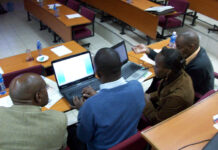
It’s the job of the journalist to try to find and present the truth, but fact-checking isn't easy. It requires a methodological approach to verification.

Examining rumour to find facts
The role of a journalist is to publish facts. To do that they often have to examine rumour and gossip as part of the newsgathering process.

SIFT for fact-checking
Journalists who are committed to fact-checking, as we should all be, have several methods available to help them deal with fake news.

Dealing with fake news
Media experts share their advice on how to deal with fake news

Fake news and trust chains
"Fake news" encompasses two distinct concepts: fabricated stories masquerading as truth and the dismissal of legitimate news as false.

Disinformation and misinformation
Journalists attempting to deal with 'fake news' need to understand the difference between disinformation and misinformation.

Detecting AI-generated images
How can journalists identifying fake photographs with so many dramatic images being shared at speed on social media.

Evidence-based reporting
This guide provides a framework for journalists to compile in-depth reports on any topic by ensuring that all they write is based on verifiable facts.

Understanding post-truth in journalism
For journalists, post-truth represents a critical challenge to our core mission of informing the public with accurate, verified information. Here we look at how journalists should handle post-truth content.
Related learning resources
Exercise: Fact-checking in news
True journalism requires more than just gathering news. We rigorously examine every detail to maintain the highest factual standards.

Exercise: Understanding post-truth in journalism
For journalists, post-truth represents a critical challenge to our core mission of informing the public with accurate, verified information. This exercise deals with some...

Workshop: Fact checking and adding context
Journalism isn't just about gathering and passing on facts. A vital part of the editorial process is adding context to provide a much deeper understanding.

Lesson: Fake news and trust chains
This lesson plan is designed to help journalists recognise the different types of 'fake news' and discover how to use 'trust chains' to deal with them.

Lesson: Beyond basic fact-checking
Journalists who have mastered basic fact-checking skills need to develop systems for dealing with all forms of fake news.
Lesson: Fact-checking and adding context
This lesson plan is designed to teach students how to fact-check then add context so that the information produced in a news report is accurate and complete.

Module: Foundations of fact-checking
This free educational module provides an outline for a six-week course teaching students about fact-checking in a world of information disorder.
Refresher: Fact-checking for journalists
This compressed one-day course provides an intensive overview of the essentials considerations for journalists regarding fact-checking and combating information disorder in the digital age.