Sample Category Title

Image by the International Maize and Wheat Improvement Centre released via Creative Commons BY-NC-SA 2.0

Testing boundaries – scenario

In this scenario we look at a situation where an editor faces breaking protocol because of the strength of a story.
Image by Media Helping Media released via Creative Commons BY-NC-SA 4.0

Emotional pressure – scenario

How should a reporter respond when someone uses emotional pressure and threats to try to stop them doing their job?
Tea and biscuits - image by Media Helping Media released via Creative Commons BY-NC-SA 4.0

Returning favours – scenario

In this scenario a naive reporter's early success with a government minister leads to an ethical dilemma when a 'favour' is demanded in return.
Image by Olga Oginskaya from Pixabay

Emotional assumptions – scenario

In this scenario a journalist lets their own emotional assumptions colour their news judgement resulting in misinformation.
Helicopter flight from cockpit

Transparency and full disclosure – scenario

In this scenario a reporter embedded with the military and closely monitored in a war zone wanders off and discovers a story the army wouldn't want him to tell.
Image by Rob Swystun released via Creative Commons CC BY 2.0

Informed consent – scenario

In this scenario a reporter covering a disaster finds a grief-stricken woman who he films in order to feature in his report before discovering the truth about the tragedy behind her emotions.
Image by Stefán Pálsson released via Creative Commons CC BY-NC-SA 2.0

Photo journalism – scenario

In this scenario a reporter tells the newsdesk that she has a strong news story only to find that the facts were not as they seemed.
Image by Rodhullandemu released via Creative Commons BY-SA

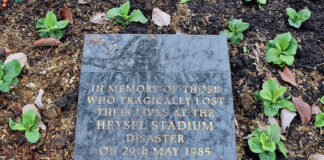
Covering a tragedy – scenario

In this scenario we look at how a journalist should act when they witness a tragedy unfolding and have to decide whether to help, or to stand by and report.

You might also likeRELATED
Recommended to you

Audience research and segmentation

In a rapidly shifting media landscape, where consumers have more choice than ever, a deep understanding of the audience has become essential for all media companies.

Workshop: Editorialising is not for news

Journalists need to tell people, as plainly as possible, what is happening in the world. Every story should be fact-based. We must never add our own opinion.

Evaluating the impact of training

The evaluation process at the end of a media training session begins the moment you are engaged by the media organisation you are being asked to help because this is when you know the expectations and deliverables.