Basic journalism

Graphic of a construction kit and instructions created using Google Gemini AI

Creating a structured news report

Writing news without a plan is like building a kit without instructions. Use a structured story plan to order facts logically and engage your readers.
Image by David Brewer released under Creative Commons BY-NC-SA 4.0

Clichés, journalese, and jargon

Journalists need to recognise and then avoid using journalese, jargon, and clichés. Their writing must be clear, easy to understand, and informative.
Image by Tessa Kavanagh from Pixabay

Translation in journalism

If you are a journalist working in a multilingual society, you may have to work in more than one language.
Image by pixy.org released via Creative Commons

The questions every journalist should ask

There are six questions that journalists should consider asking. They are What? Why? When? How? Where? and Who?
Image courtesy of Freedom House and released under Creative Commons CC BY 2.0

Reporting from conflict zones

When reporting from a conflict zone a journalist needs to be sensitive, understand history and cultural issues, and put people first
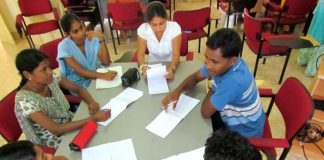
Journalists in Vietnam attending training on finding the human angle in news stories - Image by David Brewer

Including the human angle in news

For news organisations to succeed, they must attract and retain audiences. The human touch is vital for building trust and engagement.
Image courtesy of Gerlos and released under Creative Commons BY-NC-ND 2.0

Spotting a news story

How does a journalist know when they are on the right track? What are the telltale signs that distinguish fact from fiction? 
Image by Brandon Anderson released via Creative Commons CC BY-NC-ND 2.0

Crime reporting for beginners

Crime journalists must balance the public’s right to know with ethics, ensuring accuracy and sensitivity while avoiding sensationalism or prejudice.
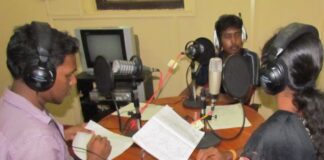
TV newsroom in Bangladesh - image by Media Helping Media

Constructing a TV news package

Learn how to construct a TV news package, from research and filming to editing and scripting, with this step-by-step guide for new journalists.
Image of woman interviewing a man courtesy of Pexels and released via Creative Commons - image from cottonbro

Developing and handling news sources

News sources are vital for journalists to find essential stories. Without reliable information, reporters would be left staring at a blank page.
Image of a journalist researching created using Imagen 3 - created by David Brewer of MHM

SIFT for fact-checking

Journalists who are committed to fact-checking, as we should all be, have several methods available to help them deal with fake news.
Man working on typewriter, image by Media Helping Media

The qualities of a journalist

Journalism is a demanding profession that requires a unique combination of intellectual curiosity, linguistic skill, and a deep understanding of the world. 

Hosted by the Fojo Media Institute

Fojo logoMedia Helping Media is hosted by the Fojo Media Institute at Linnaeus University.

Follow Media Helping Media on Facebook

MHM on FacebookCheck our Facebook page for regular updates from Media Helping Media.

Content released under Creative Commons

Creative Commons logoThe content on Media Helping Media (MHM) is released via Creative Commons BY NC SA 4.0.