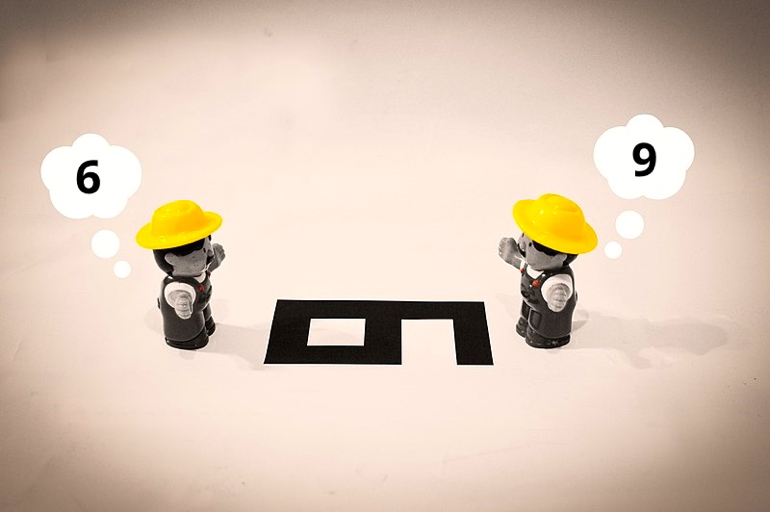
Bias is a prejudice for or against a group, often leading to unfair judgements. While it’s a normal human trait, understanding our biases is vital for fairness.
Our brains have to process a lot of information in a short time. It therefore sometimes takes shortcuts. This ability can help keep us safe. We quickly assess whether or not the unknown person approaching us is a threat or harmless.
Factors affecting our unconscious bias
- Our background and upbringing
- Personal experience
- Societal stereotypes
- Cultural context
Unconscious bias can lead to inaccurate assumptions
Journalists should not make assumptions. They should base their judgements on facts and reliable evidence.
- Unconscious bias can lead to damaging stereotypes.
- It can lead to the assumption of innocence or guilt.
- It can mean only a few types of people are interviewed and have their views broadcast or published.
- It can mean that the best people are not hired for the job.
Different types of unconscious bias
Unconscious bias means we do not knowingly show bias, but bias is evident in what we produce. If we are aware of the different types of bias, we can take steps to try to avoid it.
Affinity bias
This bias occurs when we are drawn to people we are like. We are biased in favour of those with whom we share an affinity. That’s to say: people like me.
Confirmation bias
This bias occurs when we favour information, which confirms what we already believe. For example, if we are not in favour of policy X, we are more willing to believe that minor setbacks are major problems and proof that ultimately policy X will fail.
Anchor bias
This bias occurs when we rely too heavily on the first piece of information we receive and we are anchored down by it. For example, if the first piece of information we receive comes from an official who says Y is a problem – we will see Y as a problem rather than questioning whether or not this is true in the first place.
Bandwagon Bias
Jumping on the bandwagon means joining in something just because it is fashionable or popular. Journalists often follow stories or trends because other media outlets are doing so. Journalists need to keep up with current trends, but just because other media houses are following a story it doesn’t necessarily mean it’s important or true.
How to avoid unconscious bias
- Be aware of the different types of unconscious bias.
- Think about the situations where you are likely to be susceptible to unconscious bias.
- Find your trigger points when you are likely to make snap judgements.
Possible triggers for unconscious bias
- Under pressure of a deadline.
- Under pressure from your boss to come up with stories.
- When you are tired, stressed or hungry.
- When you are in an unfamiliar territory or with unfamiliar people.
- When you feel threatened or judged.
Measures for tackling unconscious bias
- Step out of your comfort zone. Talk to as many different types of people as you can.
- Put yourself in the other person’s shoes. See things from their perspective.
- Counter stereotyping by imagining the person as the opposite of the stereotype.
- See everyone as an individual rather than a type.
- Flip the situation. Imagine a different group of people or flip the gender. Would you still come to the same conclusions?
- Be careful with your language and images. Make sure they do not contain assumptions, harmful stereotypes or inaccuracies.