
 There are six questions that a journalists should consider asking. They are What? Why? When? How? Where? and Who? This exercise considers their use in journalism.
Welcome to this Media Helping Media (MHM) exercise about the questions every journalist should ask, which is published on MHM. You are invited to complete the exercise either on your own or with a colleague. Please ensure you read the article above before proceeding.
MHM exercises are designed to help those who are new to journalism learn important skills and then test what they know against fictional scenarios. The articles on which the exercises are based have been created from the experience of journalists who have shared their knowledge in order to help others learn the fundamental principles of robust public service journalism.
The first requirement of any piece of journalism is that it should be accurate. Although this is an exercise involving fictitious material, not for publication, trainees must take everything they are told in the exercise to be factual and they must stick to those facts. If one thing they produce in the exercise is inconsistent with those facts, their whole work is discredited.
The scenario: Southaven community library closure
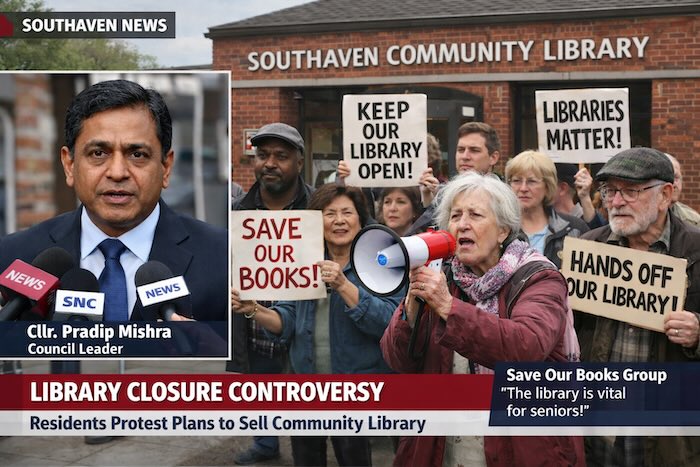 The Southaven Community Library, a Victorian building that has served residents for 82 years, faces closure on March 31st. Council leader Pradip Mishra announced the decision on Tuesday citing budget pressures of £2.3 million and claiming visitor numbers had dropped to just 47 a week. However, the Save Our Books protest group disputes these figures, presenting their own data showing 340 weekly visitors, including 120 elderly residents attending digital literacy classes, reading groups, and community coffee mornings.
The council plans to sell the prime town-center site to housing developer Oakwood Properties for £1.8 million. Meanwhile, protesters have collected 4,200 signatures demanding the library remain open, and two local councillors have broken ranks to oppose the closure.
Task 1: gathering the essential facts
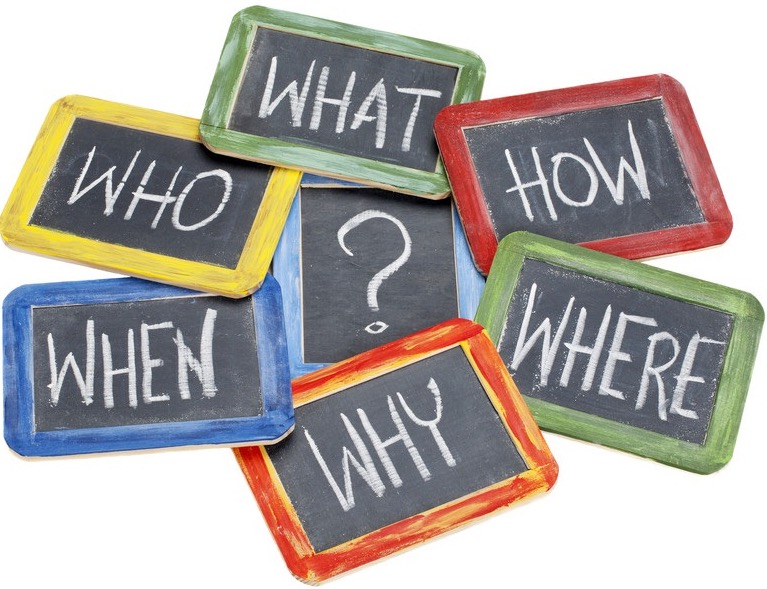
Your task is to use the five Ws and one H (who, what, where, when, why, and how) to build a solid foundation for this story.
Using the scenario above, write down the answers to the six fundamental questions.
- Who is involved? (List the main protagonists and those affected).
- What is happening? (Describe the core event).
- Where is it taking place?
- When is it happening? (Identify if a specific date for closure or the land sale has been mentioned).
- Why is this happening? (List the reasons given by the council).
- How will it be done? (Consider the process of the sale and the relocation of services).
Task 2: Write a news report
Now, combine your findings into a concise news report of about 250-300 words. You must ensure that the most important information (the ‘who’ and the ‘what’) is in the first paragraph. We suggest you don’t click the link below until you have written your own report. You can then compare what you have written with the example below.
Click here to see our suggested story treatment
Southaven Community Library to close as protest group disputes council figures
Council leader Pradip Mishra and the local authority (Who) have announced the closure of the 82-year-old Southaven Community Library (What). The Victorian building, a prime town-center site, is scheduled to shut its doors on March 31st (When).
The decision follows the council’s claim of budget pressures totalling £2.3 million (Why). Mr. Mishra stated that visitor numbers have dropped to 47 per week, making the facility’s current use unsustainable.
Under the council’s proposal, the building will be sold to housing developer Oakwood Properties for £1.8 million (How). The transition from a public library to private housing is being managed despite growing internal and external opposition.
The Save Our Books protest group is currently challenging the closure at the town-center site (Where).
The group has presented data showing 340 weekly visitors – including 120 elderly residents attending digital literacy classes and coffee mornings – and has collected 4,200 signatures to save the landmark. Two local councillors have also broken ranks to join the opposition against the sale.
How does this version compare with the one you produced? Reflect on any areas that could be improved in either version.
Assessment
How did you get on? Did you answer the six questions in your story? Did you leave any out, and if so why? If your version addressed the most important of the six questions you have successfully completed this exercise.
Related material