Specialisms in journalism
Specialist reporting means going beyond general news coverage in order to develop deep expertise, insight and trust in a particular subject area. Whether you cover crime, courts, politics, climate change, health, education, business, sport, or any other field, specialist reporters bring audiences stories that are accurate, meaningful and context-rich. At its heart, specialisation – sometimes called beat reporting – is about combining solid journalistic basics with in-depth knowledge.

Specialisms in journalism
Specialist reporting means going beyond general news coverage in order to develop deep expertise, insight and trust in a particular subject area.

Health reporting for beginners
Most journalists are generalists, who can cover any kind of story. But there is also a place for specialists, providing expertise on particular subjects.

Court reporting for beginners
Reporting on court hearings requires an understanding of local laws and knowing what can be reported and what can‘t.

Crime reporting for beginners
Crime journalists must balance the public’s right to know with ethics, ensuring accuracy and sensitivity while avoiding sensationalism or prejudice.

Parliamentary reporting for beginners
To cover Parliament, a journalist must master local laws, procedure, and political parties, backed by a solid grasp of history.
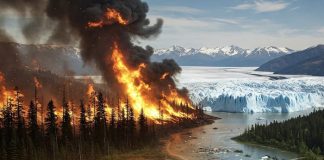
Covering climate change
Reporting on climate change presents journalists with major hurdles, as it's a topical, controversial subject rooted in complex scientific research.
Related learning resources

Quick Guide: Reporting on health
Reporting on health is a major responsibility. To succeed, journalists must blend core reporting skills with a sharp understanding of science and data.

Quick Guide: Crime reporting for beginners
Crime reporters must balance public interest with ethics and accuracy. While generalists are key, specialists provide the depth needed for true insight.

Quick Guide: Court reporting for beginners
Reporting on legal proceedings is a vital part of journalism, but it requires strict discipline and a clear understanding of the law.

Exercise: Crime reporting for beginners
Crime reporters must balance the public's right to know with ethical duties, ensuring accuracy and fairness while avoiding sensationalism and prejudice.

Workshop: Court reporting for beginners
Reporting on court hearings requires a firm grasp of local laws to understand exactly what can and cannot be published under reporting restrictions.

Workshop: Crime reporting for beginners
Crime journalists must balance the public’s right to know with ethics, ensuring accuracy and sensitivity while avoiding sensationalism or prejudice.

Lesson: Covering climate change
Reporting on climate change is a major challenge for journalists. The topic is topical, controversial, and rooted in complex scientific research.

Module: Specialisms in journalism
This module aims to equip aspiring and current journalists with the knowledge and skills necessary to cultivate a specialist area of coverage, establish themselves as experts, and report with depth, accuracy, and independence.

Refresher: Specialisms in journalism
This day-long intensive training course on specialisms in journalism is designed to equip journalists with the knowledge to cultivate a specialist area of coverage, establish expertise, and report with depth and accuracy.