News writing

In this section we focus on news writing, including the inverted pyramid structure of putting the most important information first. We look at the power of words, using the right words, language and style, and words that are frequently misused. This section also covers attribution and plagiarism, clichés and jargon, and using quotes in journalism.

Image by Hans and Carolyn released under Creative Commons CC BY-NC-SA 2.0

News writing for beginners

A journalist writing a news story is the author, organiser and decision maker. Without them the story may never be told.
Word Power graphic by Media Helping Media released under Creative Commons BY-NC-SA 4.0

The power of words

Journalists need to understand the power of using the right words when writing news stories
The inverted pyramid in journalism

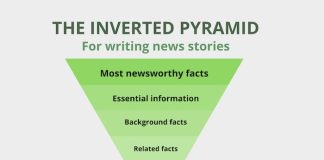
The inverted pyramid

The inverted pyramid model puts key news first, followed by supporting details, with the least important background information at the base of the article.
An image of a journalist writing on a computer - image by Google Gemini AI

In journalism, good writing is plain writing

The purpose of news writing is to convey meaning clearly and effortlessly by using precise, comprehensible, and easily digestible words.
Image by pixy.org released via Creative Commons

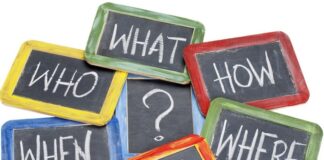
The questions every journalist should ask

There are six questions that journalists should consider asking. They are What? Why? When? How? Where? and Who?
Word Power graphic by Media Helping Media released under Creative Commons BY-NC-SA 4.0

The power of words

Journalists need to understand the power of using the right words when writing news stories
Image by David Brewer released via Creative Commons BY-NC-SA 4.0

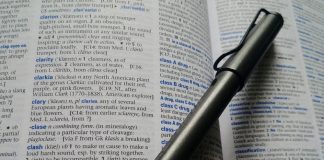
Clarity is as important as accuracy

Journalists must write clearly as well as accurately using accessible language that the audience can understand.
Image by David Brewer released under Creative Commons BY-NC-SA 4.0

Clichés, journalese, and jargon

Journalists need to recognise and then avoid using journalese, jargon, and clichés. Their writing must be clear, easy to understand, and informative.
Photo by Thought Catalog on Unsplash

Language and style – basics

Learn how to write clear, impactful sentences for better understanding and discover why choosing the right language is essential for your readers.
Photo by Brett Jordan on Unsplash

Using the right words

Words are the essential tools of journalism. They convey meaning and help the audience understand the issues we are covering. So they need to be used properly.
Boris Johnson interviewed by Anna Tsekouras 2014 - image by David Poultney released under Creative Commons

The power of quotes in journalism

Quotes can define an era, a person, or a story. Used thoughtfully, they transform reporting from factual to memorable, from clear to compelling.
Image by PDPics from Pixabay

Grammar for journalists

Journalists need to observe important grammatical rules when writing news stories and avoid common mistakes that could confuse the audience.
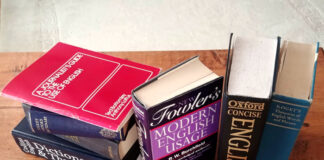
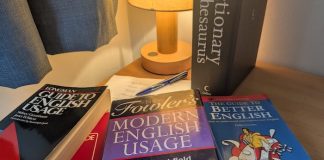
The reference books used to create this page - image by David Brewer of MHM

Words that are frequently misused

It's essential for journalists to maintain precision in their use of language, especially when dealing with words that sound or look similar but which carry different meanings.
Image of a storm in a teacup - created using Imagen 3 by David Brewer of MHM

The use of idioms in journalism

Journalists producing serious news coverage must always write in a way that is clear, accurate, free from jargon.
Image by woodleywonderworks released under Creative Commons

Attribution and plagiarism

Producing a piece of original journalism involves uncovering facts that, had it not been for you, would have remained hidden.
Man writing on notepad. Image by NegativeSpace released via Creative Commons

Adjectives and adverbs in journalism

When it comes to writing - not just news writing but any kind of writing - adjectives and adverbs have a bad reputation.
Journalist writing at a typewriter in army fatigues. Image created with Gemini AI

Militaristic words used in journalism

Here we look at some of the most common militaristic words that are regularly used in journalism, along with their intended meaning and possible non-militaristic alternatives.
Image by Scale Free Metwork released via Creative Commons CC BY-NC-SA 2.0

Spotting errors in your own writing

Most journalists need a second pair of eyes to check through their copy in order to spot any factual, grammatical or spelling mistakes.

Related learning resources

Graphic for a Media Helping Media Training Tool

Tool: MHM Story Builder

The Media Helping Media’s Story Builder is a simple tool created to help those who are new to journalism write informative news articles.
Graphic for a Media Helping Media Training Tool

Tool: News story checklist

The follow is a structured checklist tool for journalists to consider in order to ensure they produce strong news stories.
Graphic for a Media Helping Media Training Tool

Tool: Story Weighting System

Different news stories have a different value for your audience and for your business. Giving news items a 'weighting' can lead to impact and efficiencies.
Graphic for a Media Helping Media Training Tool

Tool: The Content Value Matrix

In this article we look at the 'content value matrix, a tool designed to help media managers prioritise effort and resources on the stories that really matter to the target audience.

Workshop: Adjectives and adverbs in news

Journalists must write tight, concise copy. Avoid wasting words and prune unnecessary adjectives or adverbs to ensure news stories remain sharp and impactful.
Graphic for MHM Quick Guide Checklist

Attribution in journalism

Master news attribution and referencing by following our checklist for ensuring your reporting is accurate, credible, and avoids plagiarism.
Graphic for a Media Helping Media Lesson Plan

Lesson: Clarity is as important as accuracy

A lesson plan designed to help students understand the importance of clarity in their writing so that they produce news articles that the reader can understand.
Graphic for a Media Helping Media workshop outline

Workshop: Avoiding jargon

Journalists should avoid journalese, jargon, and clichés. Writing must be clear, accessible, and informative to ensure the audience stays engaged and informed.
Image to illustrate a MHM training exercise created with Gemini AI

Exercise: The inverted pyramid

Inverted pyramid writing puts essential, newsworthy info first, followed by supporting details and background. It ensures readers see the most vital facts straight away.
Graphic for a Media Helping Media workshop outline

Workshop: News writing for beginners

Journalists are the vital authors and decision-makers of news. Without them, key stories go untold. Every report must remain truly interesting and informative.
Graphic for a Media Helping Media Lesson Plan

Lesson: The active and passive voices in news

A lesson plan to help journalism students understand the difference between the active and the passive voices in news
Graphic for MHM Quick Guide Checklist

Using quotes in journalism

Quotes are a journalist’s most powerful tool. Used well, they bring stories to life, add credibility, and let audiences hear directly from sources.