
 Journalists need to recognise and then avoid using journalese, jargon, and clichés. Their writing must be clear, easy to understand, and informative. This exercise is designed to help spot all three.
Welcome to this Media Helping Media (MHM) exercise about Cliches, journalese and jargon which is published on MHM. You are invited to complete the exercise either on your own or with a colleague. Please ensure you read the article above before proceeding.
MHM exercises are a chance for those who are new to journalism to learn skills and test what they know against fictional scenarios. The articles on which the exercises are based have been created from the experience of journalists who have shared their knowledge in order to help others learn the fundamental principles of robust public service journalism.
The first requirement of any piece of journalism is that it should be accurate. Although this is an exercise involving fictitious material, not for publication, trainees must take everything they are told in the exercise to be factual and they must stick to those facts. If one thing they produce in the exercise is inconsistent with those facts, their whole work is discredited. Accuracy comes first.
Training exercise: Identifying clichés, jargon & journalese

In this exercise we look at the use of clichés, jargon & journalese. The aim is to help journalists avoid using these overused words and instead apply clarity and accuracy to their writing. Our job is to set out information in clear and plain language, not confuse matters.
Task 1: Below is a fictitious news story that is riddled with clichés, jargon & journalese. Your job is to highlight or jot down all examples.
When considering the text below, keep in mind one exception – that a journalist should use cliches and jargon if they are part of a direct quote from an interviewee. This is in order to maintain accuracy and authenticity. When quoting a source verbatim, the goal is to capture their exact words, including their specific style of speech, word choices, and expressions.
Embattled minister slams water crisis in shock move
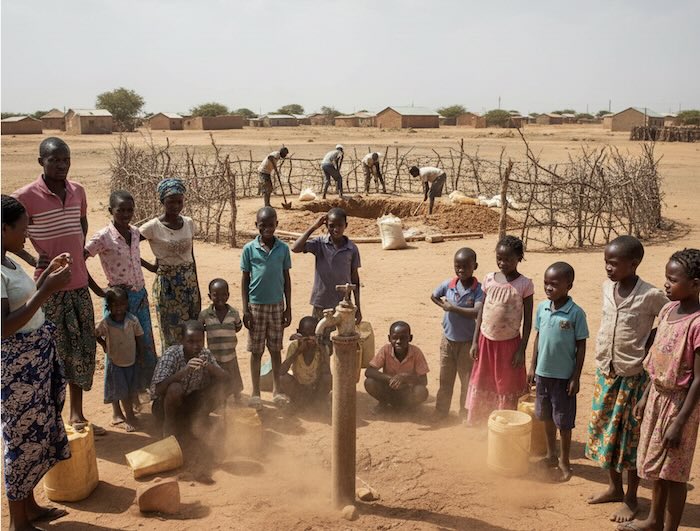 In a dramatic U-turn that has sent shockwaves through the political establishment, the under-fire Water Resources Minister yesterday gave the green light to a controversial blueprint aimed at tackling the country’s spiralling water crisis.
The minister, who has been fighting for his political life following a storm of protest over alleged mismanagement, unveiled the bold new initiative at a hastily arranged news conference in the capital. Speaking to a packed room of journalists, he said the government was pivoting towards a holistic, multi-stakeholder framework designed to optimise service delivery and mitigate negative outcomes for vulnerable communities.
At the end of the day, the sweeping reforms will see the ministry axing over 200 jobs in a cost-cutting drive, whilst simultaneously fast-tracking the rollout of new infrastructure projects across drought-stricken regions. Critics, however, have slammed the proposals as too little, too late, warning that the cash-strapped department lacks the resources to deliver on its ambitious promises.
Local activist Mary Wanjiru, who has been leading the charge against government inaction, said residents were left reeling by the announcement. “This is just smoke and mirrors,” she told reporters. “We’ve been down this road before and nothing ever changes. The writing is on the wall – ordinary people will continue to bear the brunt of these failed policies.”
Meanwhile, opposition politicians have blasted the minister’s handling of the situation, accusing him of closing the stable door after the horse has bolted. In a scathing attack, Shadow Water Minister James Kimani said the government had “scored a spectacular own goal by sitting on its hands for so long”.
The announcement comes hot on the heels of a damning report which revealed that more than five million people across the region are struggling to access clean drinking water. As the crisis deepens, all eyes are now on the ministry to see whether it can deliver the goods or whether this latest initiative will simply be another case of kicking the can down the road.
What did you find?
So, that’s the story. Did you spot any clichés, jargon & journalese? When you have compiled your list, click on the link below to have a look at one we have prepared. But please don’t view our list until you have written yours. Only then will you be able to compare your analysis with ours.
Click here to see some of the issues we identified.
Issues: The following are some of the issues we identified in the news story above:
Clichés identified:
- “dramatic U-turn”
- “sent shockwaves”
- “under-fire”
- “fighting for his political life”
- “storm of protest”
- “bold new initiative”
- “at the end of the day”
- “too little, too late”
- “closing the stable door after the horse has bolted”
- “scathing attack”
- “hot on the heels of”
- “all eyes are now on”
- “deliver the goods”
- “kicking the can down the road”
Clichés identified but attributed to interviewees (so should be left in because they are quotes)
- “smoke and mirrors” (a quote from an interviewee)
- “down this road before” (a quote from an interviewee)
- “the writing is on the wall” (a quote from an interviewee)
- “bear the brunt” (a quote from an interviewee)
- “scored a spectacular own goal” (a quote from an interviewee)
- “sitting on its hands” (a quote from an interviewee)
Journalese identified:
- “embattled minister slams”
- “shock move”
- “gave the green light”
- “spiralling crisis”
- “hastily arranged”
- “packed room”
- “sweeping reforms”
- “axing jobs”
- “fast-tracking”
- “drought-stricken regions”
- “cash-strapped department”
- “left reeling”
- “leading the charge”
- “blasted”
- “damning report”
Jargon identified: (these should remain in the story IF they were part of a quote – if not, and if they were the journalist’s interpretation of what was said, they should be removed and replaced with clearer language)
- “pivoting towards a holistic, multi-stakeholder framework”
- “optimise service delivery”
- “mitigate negative outcomes”
- “vulnerable communities”
How did you get on? How did your list compare to ours? Did you miss any? Did we miss any? Now on to your second task.
Task 2: Rewrite the article
Now you have identified the clichés, jargon & journalese in the article above, please rewrite the story making it clearer and more accurate. We have provided an example of how the story could be rewritten. You can see our version by clicking on the link. But please don’t look at it until after you have written your version.
Click here to see the suggested story treatment.
Minister approves new plan to address water shortages
The Water Resources Minister has reversed his previous position and approved a new plan to address the country’s water crisis.
After a recent report that five million people lack access to clean drinking water, the Minister announced a blueprint designed to help vulnerable communities.
He said the government would work with other ‘stakeholders’ to improve water supply and help those most affected by the shortages.
The reforms include cutting more than 200 jobs at the ministry to reduce costs, whilst speeding up infrastructure projects. However, critics have questioned whether the ministry has enough funding to complete the planned projects.
Local activist Mary Wanjiru, who has campaigned for better water access, said communities were surprised by the announcement. “This is just smoke and mirrors,” she told reporters. “We’ve been down this road before and nothing ever changes. The writing is on the wall – ordinary people will continue to bear the brunt of these failed policies.”
Opposition politicians have criticised the minister’s response to the crisis, saying he has acted too slowly. Shadow Water Minister James Kimani said the government had “scored a spectacular own goal by sitting on its hands for so long”.
Assessment: So, how did you get on? Did you manage to replace the journalist’s use of clichés, jargon & journalese in the first version of the article? Did you leave in any clichés and jargon in the direct quotes from interviewees? What did you learn from this exercise?