Covering climate change
The following free resources have been compiled for educators delivering climate change training for journalists. They've been created to address the complexities of covering the topic of global warming.
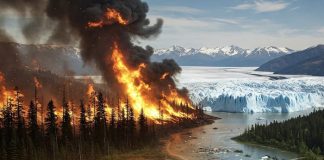
Covering climate change
Reporting on climate change presents journalists with major hurdles, as it's a topical, controversial subject rooted in complex scientific research.

Causes of climate change
Journalists must avoid providing false equivalence and false balance when covering news stories – particularly climate change.
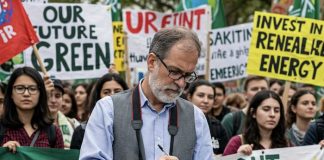
Climate change – language
Climate change is a complex and urgent story, demanding careful consideration of tone and language from the journalists covering the issue.

Climate change glossary
The following is a list of some of the common climate change terms used by scientists, environmental agencies, governments, activists, and journalists.

Lesson: Covering climate change
Reporting on climate change is a major challenge for journalists. The topic is topical, controversial, and rooted in complex scientific research.

Workshop: Climate change
This workshop explores how journalists covering climate change need to maintain a neutral stance and avoid appearing as an advocate or campaigner.
Related learning resources

Specialisms in journalism
Specialist reporting means going beyond general news coverage in order to develop deep expertise, insight and trust in a particular subject area.

Editorialising is not for news
The free training materials on Media Helping Media are all aimed at encouraging one particular kind of journalism: accurate, fact-based, impartial news reporting.

Evidence-based reporting
This guide provides a framework for journalists to compile in-depth reports on any topic by ensuring that all they write is based on verifiable facts.

Workshop: Editorialising is not for news
Journalists need to tell people, as plainly as possible, what is happening in the world. Every story should be fact-based. We must never add our own opinion.
Evidence-based reporting
Journalists should always rely on facts rather than feelings. Evidence-based reporting means your stories are built on data, documents, and witness accounts.

Why editorial ethics are important
The Media Helping Media ethics section is designed to help journalists navigate some of the challenges they might face as they go about their work.