Basic journalism

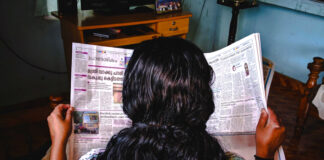
Image by David Brewer released under Creative Commons BY-NC-SA 4.0

Clichés, journalese, and jargon

Journalists need to recognise and then avoid using journalese, jargon, and clichés. Their writing must be clear, easy to understand, and informative.
Image by U.S. Department of Agriculture released via Creative Commons CC BY-SA 2.0

Interviewing politicians

Master political interviews: learn to navigate scripted lines and handle evasive answers to ensure you uncover the facts the public needs to hear.
Image courtesy of Gerlos and released under Creative Commons BY-NC-ND 2.0

Spotting a news story

How does a journalist know when they are on the right track? What are the telltale signs that distinguish fact from fiction? 
TV newsroom in Bangladesh - image by Media Helping Media

Constructing a TV news package

Learn how to construct a TV news package, from research and filming to editing and scripting, with this step-by-step guide for new journalists.
Image by David Brewer released via Creative Commons BY-NC-SA 4.0

Unlock your journalistic potential

The following is a collection of tips for journalists starting off in the job. It's been compiled from advice shared by senior journalists around the world.
The inverted pyramid in journalism

The inverted pyramid

The inverted pyramid model puts key news first, followed by supporting details, with the least important background information at the base of the article.
Image by Chrispen Tabvura released via Creative Commons CC BY 2.0

News sources and the ‘so what’ factor

Every news story needs at least one reliable source that is able to share information that helps the journalist get to the facts.
Word Power graphic by Media Helping Media released under Creative Commons BY-NC-SA 4.0

The power of words

Journalists need to understand the power of using the right words when writing news stories
Journalists in Vietnam attending training on finding the human angle in news stories - Image by David Brewer

Including the human angle in news

For news organisations to succeed, they must attract and retain audiences. The human touch is vital for building trust and engagement.
Naomi Goldsmith delivering gender training to female journalists in Tanzania

Gender equality in the media

Addressing gender imbalance in media requires a multifaceted approach from journalists, combining personal initiative with essential systemic change.
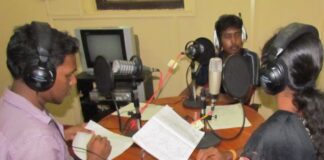
Radio production training in Jaffna, Sri Lanka by David Brewer shared via Creative Commons BY-NC-SA 4.0

Creating broadcast news packages

Discover how to create concise, compelling TV and radio packages that capture audience attention and deliver key information effectively.
Photo by Brett Jordan on Unsplash

Using the right words

Words are the essential tools of journalism. They convey meaning and help the audience understand the issues we are covering. So they need to be used properly.

Hosted by the Fojo Media Institute

Fojo logoMedia Helping Media is hosted by the Fojo Media Institute at Linnaeus University.
Follow Media Helping Media on Facebook

MHM on FacebookCheck our Facebook page for regular updates from Media Helping Media.

Content released under Creative Commons

Creative Commons logoThe content on Media Helping Media (MHM) is released via Creative Commons BY NC SA 4.0.