Training of trainers

Tool: Gap analysis in media training
'Gap analysis' is an essential part of any 'training of trainers' (ToT) programme because it helps identify the specific needs of participants.
Tool: Training of Trainers (ToT)
Training of Trainers (ToT) courses are designed to equip individuals with the skills and knowledge needed to train others.

Tool: SMART objectives for media training
Those delivering media training need to focus on SMART objectives, which are specific, measurable, achievable, relevant, time-bound.
Tool: Evaluation and Impact Assessment
Training should always be judged by its effectiveness, and there are several tools for measuring success. The following is to evaluate the assess the impact of the training.

International media training
Those invited to help the media overseas need to ensure that the training they offer is continually refreshed in order to stay relevant and useful.
Tool: SMART objectives for media training
Those delivering media training need to focus on SMART objectives, which are specific, measurable, achievable, relevant, time-bound.
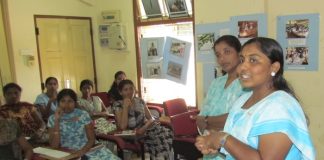
How to apply co-design to journalism education
Traditional top-down journalism training is no longer enough. Discover how co-design creates courses that are relevant, engaging, and built to last.

Developing the potential of your staff
Media training is about investing in people - your staff. They are your most precious resource.
Tool: Gap analysis in media training
'Gap analysis' is an essential part of any 'training of trainers' (ToT) programme because it helps identify the specific needs of participants.
Tool : Training timetable planner
This sample training timetable helps trainers download and adapt MHM lesson outlines for their own specific needs. Ideal for customising your teaching plans.

Basic rules for delivering training
One of the first steps in delivering training is to articulate the ground rules. Participants need to know what to expect and what is expected of them

Designing a media training plan
A well-designed media training plan could make the difference between the success and the failure of a media business.
Tool: Training of Trainers (ToT)
Training of Trainers (ToT) courses are designed to equip individuals with the skills and knowledge needed to train others.

The MHM public service journalism curriculum
The following curriculum is designed for journalists who want to improve their skills, and for journalism trainers to adapt and use.

Evaluating the impact of training
The evaluation process for media training is set in motion the moment you are engaged by the media organisation you are being asked to help.

The qualities required for media training
A trainer must not shout at participants or get into loud arguments. They must not make those attending their courses feel small or humiliate them.

Improving media assistance
Media assistance is a two-way process in which providers have as much to learn as they have to give, according to those on the receiving end.

Training needs assessment
Thorough research is the essential if you are to deliver high-impact media training. Never accept a brief from media managers without question - they could be wrong and often are.

Build your own journalism training course
Editors who want to improve their news output and raise the professionalism of their staff now have access to free training materials.
Tool: Optimism index for media trainers
The 'Optimism Index' is a tool designed for trainers of group journalism sessions to gauge and ultimately improve the participants' hope for the future.

Tool: Learning management systems
Learning Management Systems (LMS) are increasingly becoming the digital backbone of all media training, in particular Training of Trainers (ToT) courses.

Wanted, your media know-how
Have you got any journalism expertise that you are willing to share with others? If so, please get in touch.

What it takes to be a media trainer
Media trainers must have recent, valid experience of all they teach. They will not earn the respect of course participants if they can't relate to the issues they face.